Description
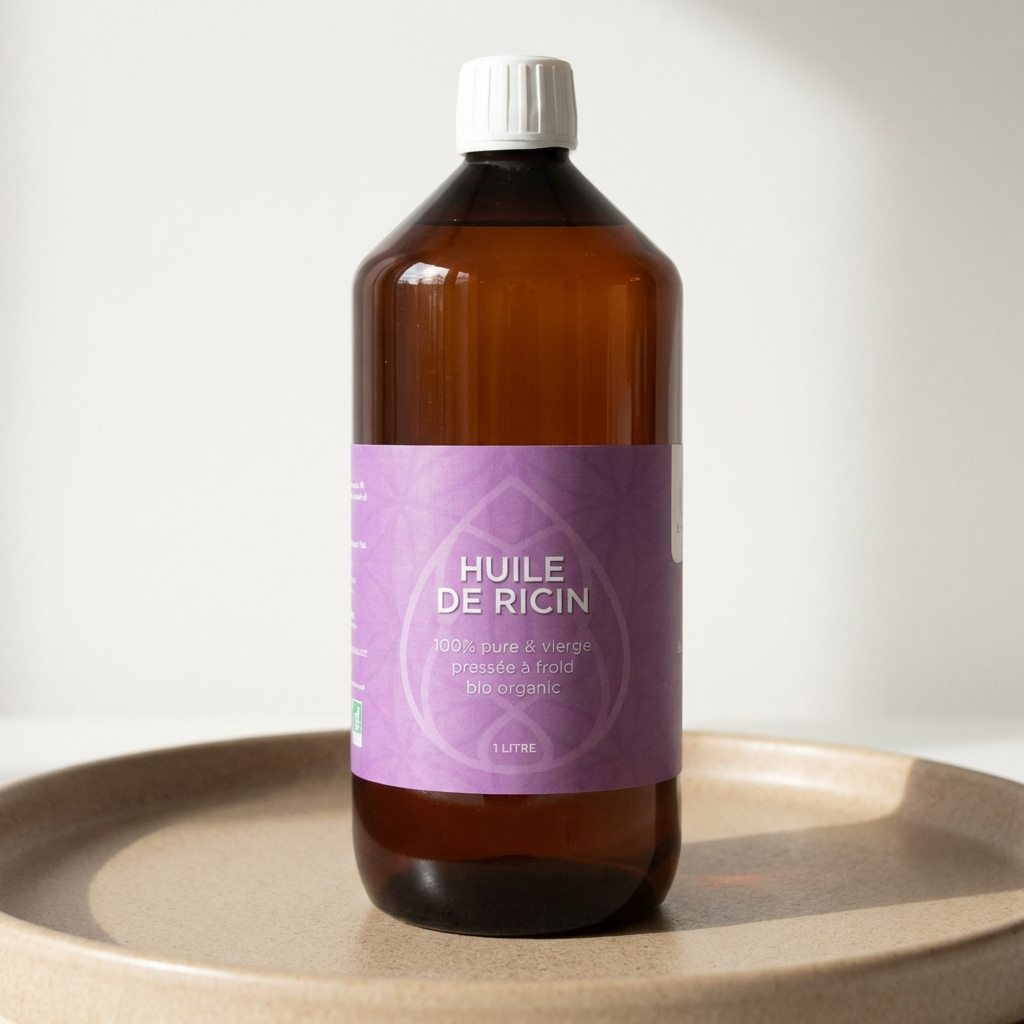
100% organic castor oil, cold-pressed, originating from India. Derived from the Ricinus communis plant.
Nelly Grosjean's Advice
For a dry purge, castor oil is an excellent remedy to eliminate mucus and clear lymphatic and pulmonary blockages.
How to Use
Take 1 to 2 tablespoons in a little freshly pressed tomato, apple, or grapefruit juice, and immediately chew a piece of ginger or add a few drops of peppermint essential oil. Then avoid solid or liquid food for at least twelve hours, until the next elimination.
Additional Useful Tips
- If possible, take castor oil in the evening.
- Warm the glass containing the castor oil in a bowl of hot water or on a radiator to liquefy the oil and make absorption easier.
- Mix 1 to 2 tablespoons of castor oil with freshly pressed fruit juice.
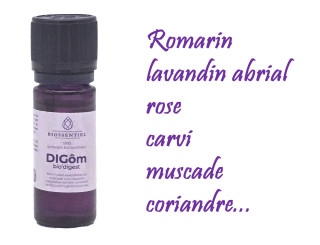
- Some reflux or aftertaste of castor oil may occur; in this case, massage the stomach with 20 drops of Digôm composition, place a hot water bottle on the liver, keep your feet warm, and relax under a cozy blanket!
- Use thick and/or sweet fruit juices (mango, pineapple, apricot) or freshly pressed grapefruit, apple, or tomato juice (the pectin in these juices helps blend the castor oil evenly).
- Limit the juice volume to less than 50 ml (about 1/3 of a small glass) to avoid drinking too much.
External Use Only?
As with all castor oil, it is prohibited in France to sell it for internal use, which is why our bottle labels state that the oil is for external use only. In many other countries, castor oil is allowed and sold for internal use. For example, the U.S. Food and Drug Administration (FDA) has approved the use of castor oil as a stimulant laxative for temporary relief of occasional constipation.
Contraindications
Although castor oil is widely used as a purgative, there are several contraindications:
- Pregnant women should not take castor oil.
- Individuals with the following symptoms should also avoid castor oil:
– Rectal bleeding
– Severe and sudden stomach pain
– Symptoms of appendicitis
– Symptoms of intestinal obstruction, such as inability to pass gas and vomiting
– Vomiting
Internal use as a purgative: Castor oil has strong laxative properties and can be dangerous at high doses. Always consult a healthcare professional before using castor oil internally. Store away from light and keep out of reach of children.
At-Risk Groups: Precautions for Castor Oil Poultices
Although castor oil is generally well tolerated externally, certain populations should use it cautiously or avoid it to prevent possible adverse effects.
1. Pregnant and breastfeeding women: Topical application may, in rare cases, stimulate uterine contractions. Avoid applying to the abdomen during pregnancy. Nursing women should consult a healthcare professional before using castor oil, especially near the chest.
2. Skin conditions (eczema, psoriasis): In some individuals, castor oil may cause irritation or worsen symptoms. A patch test on a small skin area is recommended.
3. Liver or kidney disorders: Frequent or extensive use of poultices may lead to metabolic overload. As these organs are crucial for toxin elimination, medical advice is essential.
4. Allergies and sensitive skin: Although rare, allergic reactions to castor oil have been reported. Sensitive individuals should perform a skin test before regular application.